Losing baby teeth and gaining a full set of permanent teeth is a major milestone, one that signifies a child’s growth into adolescence and beyond.
But unlike a simple swap, this transition is a carefully timed, intricate process dictated by nature.
Understanding when and how permanent teeth emerge can help parents and individuals take better care of their oral health, setting the stage for a lifetime of strong, healthy smiles.
Teeth don’t just show up all at once. There’s an entire process behind their arrival. This journey can be divided into three main stages:
This phase begins around six months of age when tiny primary teeth (also called deciduous teeth) start breaking through the gums. By age three, most children have a full set of 20 baby teeth, which play an important role in chewing, speaking, and even guiding the permanent teeth into position later on. These little placeholders may be temporary, but their role in dental development is anything but minor.
This is where things get interesting. Around age six, the first set of permanent teeth—the “six-year molars”—emerge at the back of the mouth, while the primary front teeth begin making their exit. Over the next several years, a mix of baby and permanent teeth coexist, creating the classic gap-toothed childhood grin. This is also the stage where the roots of primary teeth dissolve, allowing permanent teeth to push through.
By the early teenage years, most individuals have lost all their baby teeth, making way for a full set of 28 permanent teeth. Wisdom teeth (third molars) may arrive later, typically between ages 17 and 21—if they decide to make an appearance at all. Some people never develop wisdom teeth, while others may need them removed due to lack of space or alignment issues.
While every individual is different, here’s a general roadmap of when you can expect each type of tooth to emerge:
These timelines are estimates, not strict deadlines. Some children may see their teeth arrive earlier or later than average, which is usually no cause for concern.
However, if permanent teeth are significantly delayed, a visit to the dentist can help determine if intervention is needed.
Also Read – When do Permanent Teeth Come in?
As new teeth arrive, they need proper care to ensure they stay strong and cavity-free. Here’s how to give them the best start:
Brushing isn’t just about routine. It’s about technique. Children should use a fluoride toothpaste and a soft-bristled brush to clean all surfaces of their teeth twice a day. A good rule of thumb? Spend at least two minutes brushing, making sure to reach every nook and cranny.
Permanent teeth are bigger than baby teeth, which means tighter spaces between them. Flossing removes the plaque and food particles a toothbrush can’t reach, reducing the risk of cavities and gum disease. It should become a daily habit as soon as teeth start touching.
Sugary snacks and acidic drinks can wreak havoc on developing teeth, leading to early cavities. Instead, encourage a diet rich in calcium (found in dairy products, leafy greens, and almonds) and phosphorus (found in eggs, fish, and nuts) to strengthen enamel and promote healthy development.
Seeing a dentist every six months allows for early detection of potential issues, such as misalignment, overcrowding, or decay. Early intervention, whether through fluoride treatments, sealants, or orthodontic assessments, can make a world of difference.
If your child plays contact sports, a mouthguard is a small investment that can prevent big dental injuries. Accidents happen, but chipped or knocked-out teeth can often be avoided with the right protective gear.
The arrival of permanent teeth is more than just a biological event—it’s the bedrock of lifelong dental health. By understanding the eruption process, maintaining good oral hygiene, and addressing potential issues early, you can ensure that these teeth last a lifetime.
Whether you’re guiding a child through this transition or experiencing it yourself, a little knowledge and care go a long way toward keeping that smile healthy and bright.
If you notice anything unusual, such as delayed tooth eruption, excessive crowding, or misaligned teeth, consult a dentist. After all, a well-maintained set of permanent teeth is an investment that pays lifelong dividends.
Written by DR. PUNEET KATHURIA B.D.S., M.D.S., F.I.C.O.I. (USA)
 Teeth in a Day: Immediate Loading Dental Implants Explained
 Why Dental Implants in India Cost 70% Less Than USA, UK & Canada (Without Compromising Quality)
 Complete Cost Guide for Dental Implants in India (2026)
 Best Dental Clinic in Delhi for International Patients: What to Look For
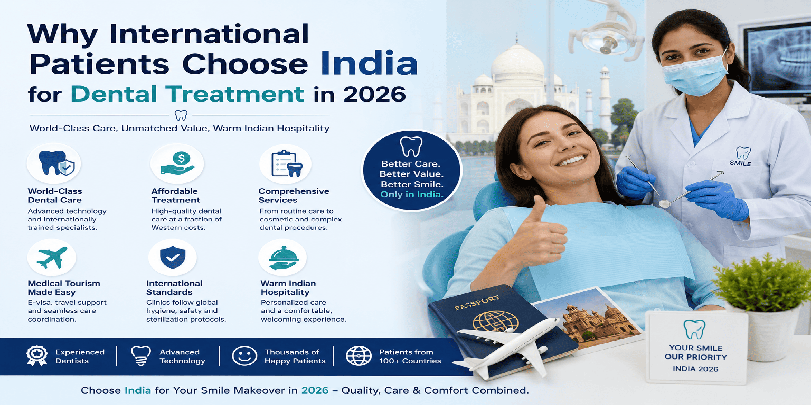 Why International Patients Choose India for Dental Treatment in 2026
 Dial Local Number in your Country
USA 
Australia 
Canada 
Fill in your details and we'll call you within 2 hours to confirm.