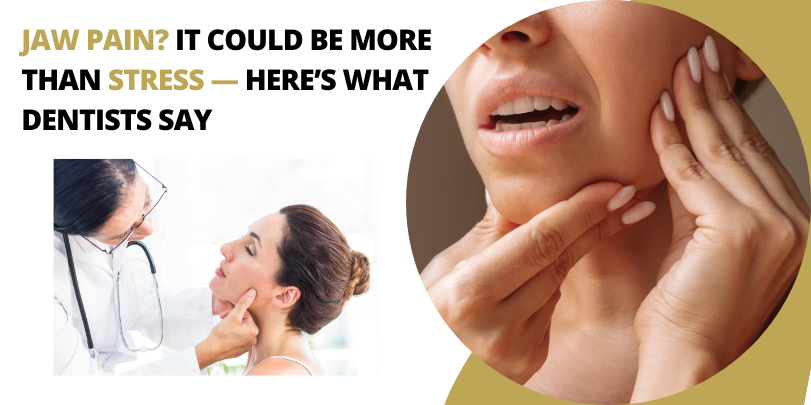
Most people experience jaw pain at some point in their lives. For some, it’s a dull ache that comes and goes. For others, it’s sharp, uncomfortable, and hard to ignore. Many of us blame it on stress, and while stress is often a contributing factor, jaw pain can stem from a wide range of causes, some of which require medical attention.
This blog breaks down everything you need to know: what might be causing your jaw pain, how to get relief, and what lifestyle changes can help you prevent it in the long run.
Jaw pain refers to any discomfort in the area where your lower jaw (mandible) connects to your skull. This area includes bones, muscles, joints, and nerves, so pain can have multiple sources. It’s often most noticeable when you talk, chew, yawn, or wake up in the morning with a stiff or sore face.
What could be behind your jaw discomfort?
The temporomandibular joints (TMJ) are the two joints that connect your jaw to your skull, one on each side of your head. These joints allow your jaw to move up and down and side to side basically everything you need to eat and speak.
When something goes wrong with these joints or the surrounding muscles, you may develop TMD. Symptoms include:
What causes it? Stress, arthritis, injury, teeth grinding, or even poor posture.
According to the Cleveland Clinic, around 10 million Americans suffer from TMD. It can range from mild discomfort to chronic pain that impacts quality of life.
This is more common than you think and often happens at night when you’re not aware of it. Clenching your teeth repeatedly puts pressure on your jaw muscles and joints.
Signs you might be grinding your teeth:
Stress, anxiety, sleep disorders, and even caffeine or alcohol can contribute to bruxism.
Toothaches don’t always stay localised, sometimes, that pain spreads to the jaw. You might be dealing with:
Jaw pain linked to dental problems is often sharp, one-sided, and worsens when you eat or drink something hot, cold, or sweet.
Yes, arthritis can affect your jaw. Osteoarthritis (wear and tear) or rheumatoid arthritis (inflammation) can both target the TMJ.
This causes:
Your upper jaw sits close to your sinuses. If you’re congested, dealing with allergies, or have a sinus infection, you might feel a dull ache in your jaw especially around your cheeks and temples.
ALSO READ- A Comprehensive Guide to Understanding Jaw Pain
Symptoms vary based on the cause, but commonly reported sensations include:
Some cases of jaw pain go away on their own. But if it persists, it’s worth exploring some effective relief options:
At-Home Remedies- Warm compresses: Help relax muscles and improve circulation
Cold packs- Reduce inflammation and numb sharp pain
Gentle jaw exercises- Stretching can improve mobility
Avoid chewy foods- Give your jaw time to rest
OTC pain relievers- Ibuprofen or acetaminophen for mild pain
Sometimes, managing jaw pain is about changing your daily habits.
Stress is one of the biggest triggers for teeth grinding and clenching. Try:
Deep breathing exercises
Yoga or gentle stretching
Regular exercise
Journaling or mindfulness techniques
Leaning forward for hours at a desk or phone can strain your jaw. Keep your back straight, and don’t rest your chin on your hand for long periods.
Try to sleep on your back and avoid stomach-sleeping (which can push your jaw to one side). If you grind your teeth, consider wearing a night guard. Your dentist can help you with one.
If your jaw pain:
… then it’s time to see a professional. You may need an X-ray, dental exam, or even a referral to a TMJ specialist.
Depending on the diagnosis, your provider might suggest:
Custom night guards or splints: To prevent grinding
Physical therapy: To improve jaw function
Prescription medications: Muscle relaxants, anti-inflammatories, or anti-anxiety meds
Dental work: To fix misaligned bites or damaged teeth
Surgery (in rare cases): If structural issues are severe
Jaw pain might start off feeling minor- a little tightness in the morning or a faint ache after chewing. But don’t ignore it. What seems like a passing issue could point to a bigger problem involving your teeth, joints, or even mental health.
With a little attention, care, and, when needed, professional guidance, most people can find lasting relief from jaw pain.
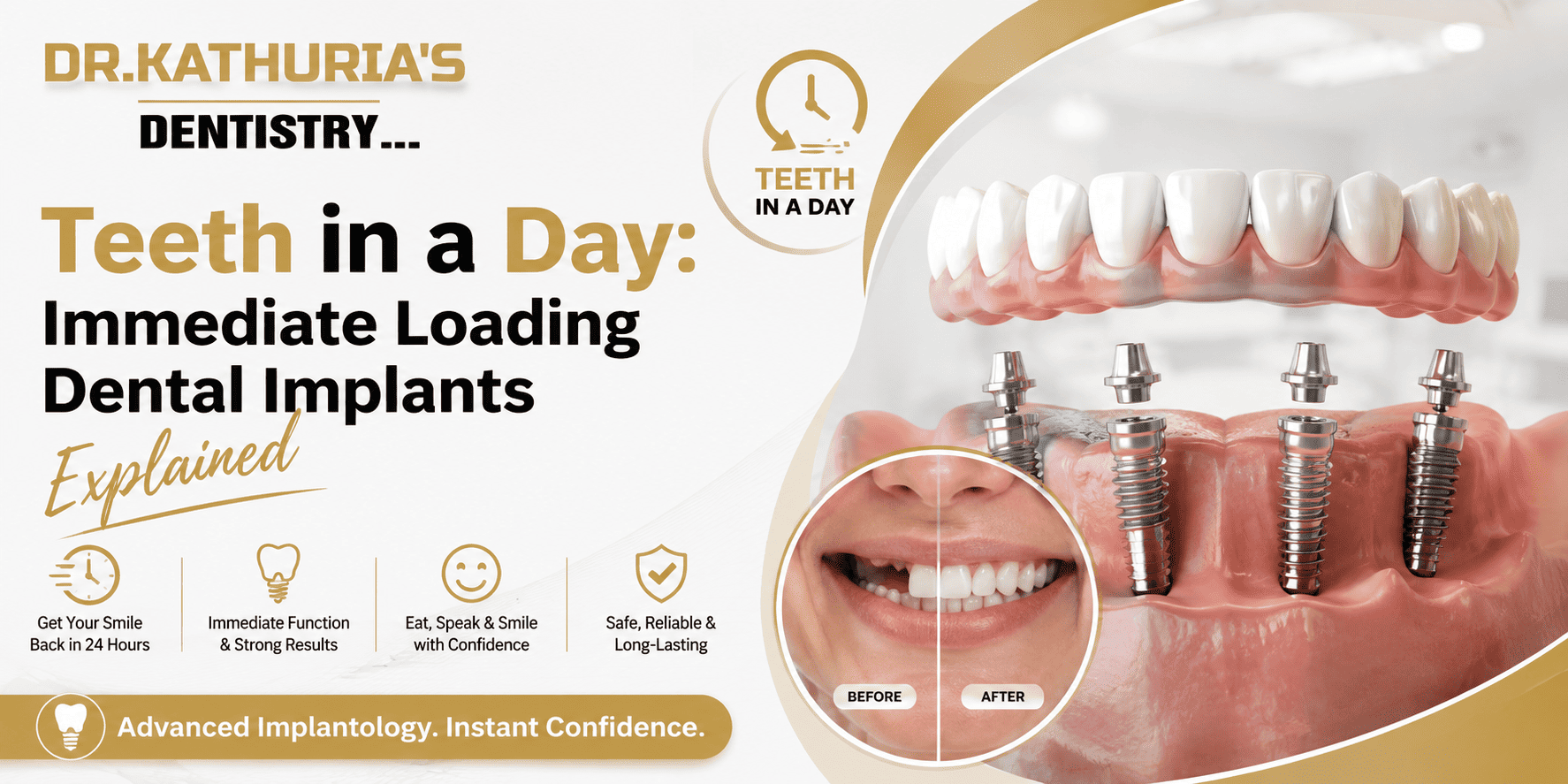 Teeth in a Day: Immediate Loading Dental Implants Explained
 Why Dental Implants in India Cost 70% Less Than USA, UK & Canada (Without Compromising Quality)
 Complete Cost Guide for Dental Implants in India (2026)
 Best Dental Clinic in Delhi for International Patients: What to Look For
 Why International Patients Choose India for Dental Treatment in 2026
 Dial Local Number in your Country
USA 
Australia 
Canada 
Fill in your details and we'll call you within 2 hours to confirm.