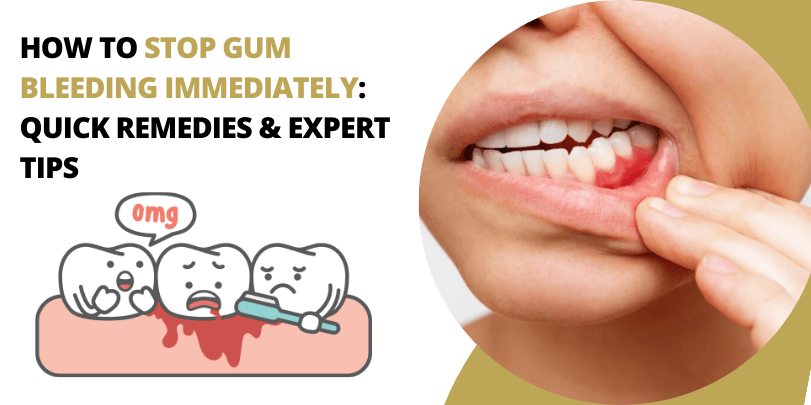
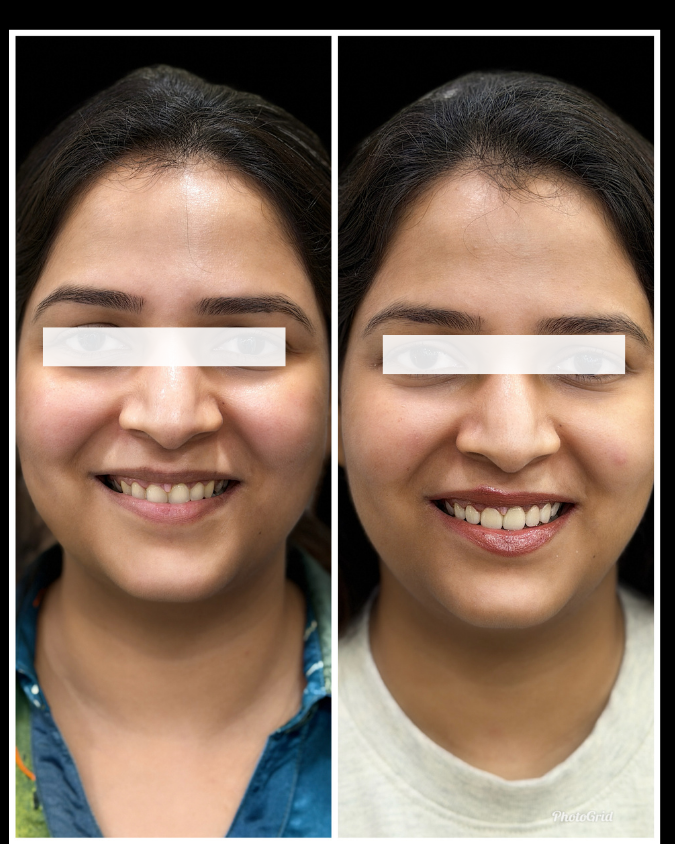
Gum bleeding happens when the soft tissue in your mouth becomes inflamed, irritated, or damaged. There are several reasons why this can occur.
Not brushing and flossing properly allows plaque to build up along the gumline. Plaque contains bacteria that irritate the gums, leading to inflammation and bleeding. If left untreated, plaque hardens into tartar, making the problem worse.
Gingivitis is the earliest stage of gum disease. It causes redness, swelling, and bleeding, especially when brushing. If not treated, gingivitis can progress to periodontitis, a more serious condition that can lead to gum recession and tooth loss.
Brushing too hard or using a hard-bristled toothbrush can damage gum tissue and cause bleeding. Gentle, circular motions with a soft-bristled brush are best for gum health.
A lack of vitamin C or vitamin K can make gums more prone to bleeding. Vitamin C is essential for healing and gum strength, while vitamin K helps with blood clotting.
Pregnancy, puberty, and menopause can make gums more sensitive. Many women experience gum bleeding due to hormonal fluctuations that affect blood flow to the gums.
Certain conditions like diabetes, leukemia, and blood clotting disorders can increase gum bleeding. Medications such as blood thinners can also make gums bleed more easily.
Tobacco weakens the immune system and damages gum tissue, making infections and bleeding more likely.
Chronic stress weakens the immune system, making it harder for the body to fight infections. A diet high in processed foods and sugar fuels bacterial growth in the mouth, leading to gum problems.
While treating gum bleeding is important, prevention is the best approach. Healthy gums start with good daily habits.
Ignoring bleeding gums can lead to more severe oral health problems. The longer you wait, the harder it becomes to reverse the damage.
If your gums bleed regularly, it is a warning sign that should not be ignored.
If your gums are bleeding, here are some steps you can take to stop it quickly.
Salt has natural antibacterial properties that help reduce inflammation and stop bleeding. Mix a teaspoon of salt in a glass of warm water and rinse your mouth for 30 seconds. Repeat a few times a day.
If your gums are swollen and bleeding, applying an ice pack to your face can help reduce inflammation and slow down the bleeding. Hold the ice pack against the affected area for 10 minutes.
If the bleeding is excessive, gently press a clean, damp gauze pad against the gums. Hold it in place until the bleeding stops.
If your toothbrush is too hard, it can irritate the gums further. Use a soft-bristled brush and be gentle when brushing.
Dilute hydrogen peroxide with water and swish it around your mouth for about 30 seconds. This helps kill bacteria and promote healing.
Aloe vera has soothing and antibacterial properties. Applying a small amount of pure aloe vera gel to the gums can help reduce inflammation and stop bleeding.
Both smoking and alcohol can worsen gum bleeding by irritating the tissues and slowing the healing process.
While occasional gum bleeding may not be a cause for concern, persistent or heavy bleeding should not be ignored. See a dentist if you experience:
A dentist can identify the cause of the problem and provide the appropriate treatment, whether it is a deep cleaning, medication, or lifestyle changes.
Bleeding gums are often a sign of an underlying problem, but they can be managed with the right approach. Taking care of your gums through proper oral hygiene, a healthy diet, and regular dental visits will go a long way in preventing and treating gum problems. If bleeding persists, do not wait too long before seeking professional help. Early action can save your gums, your teeth, and your overall health.
Written by: DR. PUNEET KATHURIA B.D.S., M.D.S., F.I.C.O.I. (USA)
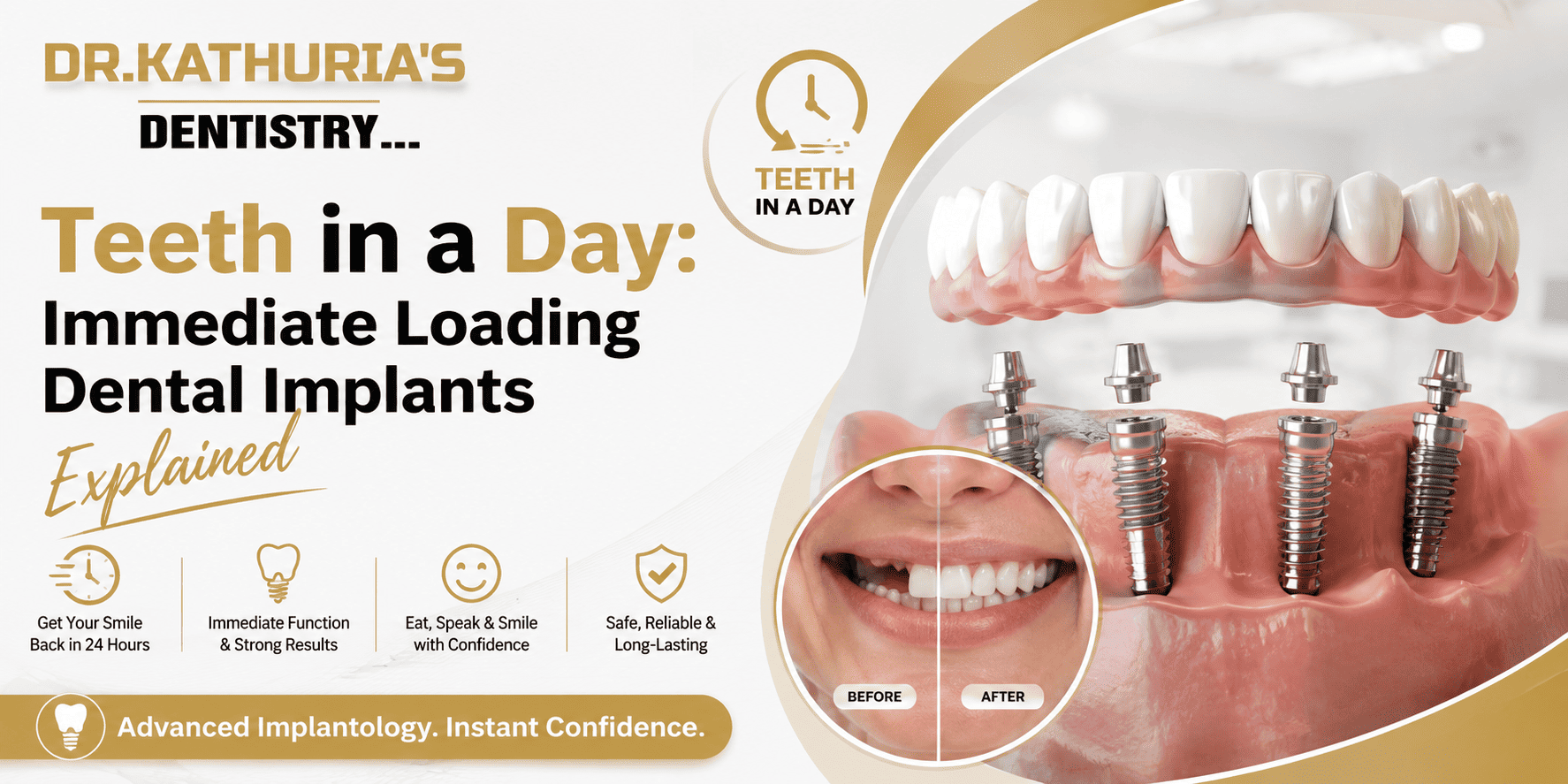 Teeth in a Day: Immediate Loading Dental Implants Explained
 Why Dental Implants in India Cost 70% Less Than USA, UK & Canada (Without Compromising Quality)
 Complete Cost Guide for Dental Implants in India (2026)
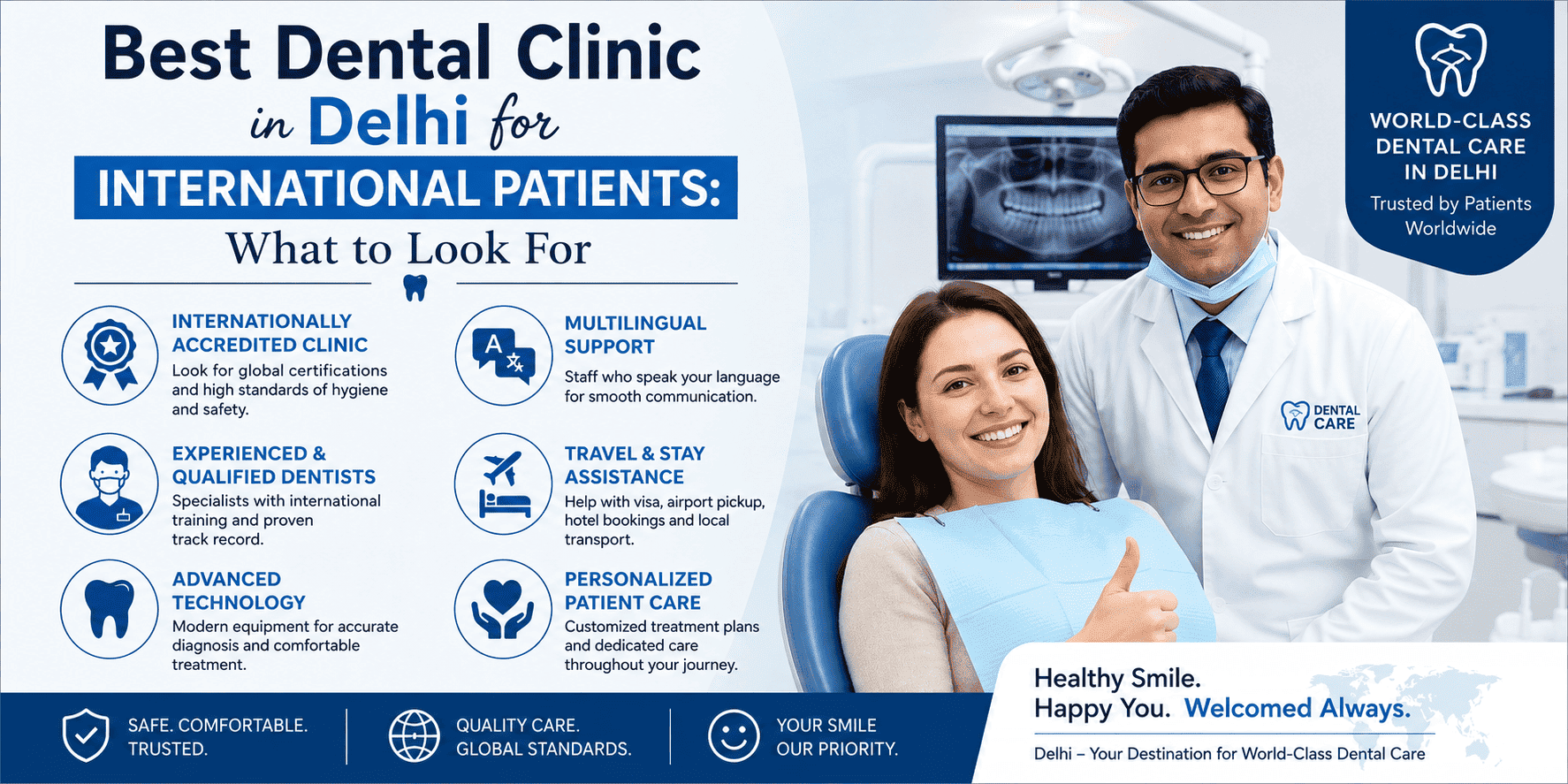 Best Dental Clinic in Delhi for International Patients: What to Look For
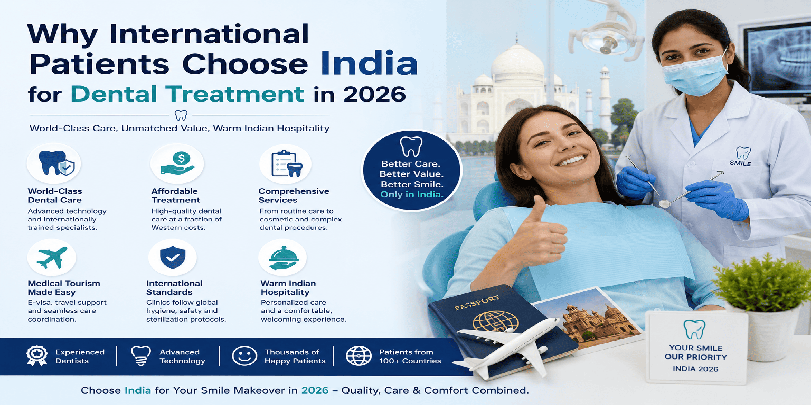 Why International Patients Choose India for Dental Treatment in 2026
 Dial Local Number in your Country
USA 
Australia 
Canada 
Fill in your details and we'll call you within 2 hours to confirm.