Oral cancer is a serious but often overlooked condition that can affect the lips, tongue, cheeks, floor of the mouth, hard and soft palate, sinuses, and throat. Detecting it early increases the chances of successful treatment. Many cases of oral cancer go unnoticed until they reach an advanced stage, making awareness and early screening essential.
In this article, we will discuss the causes of oral cancer, common signs and symptoms, diagnostic methods, screening procedures, and prevention tips to help you stay informed and proactive about your oral health.
Also read- Smoking Out the Truth: Know How Tobacco Wrecks Your Teeth and Gums!
Oral cancer occurs when the DNA of cells in the mouth mutates, leading to uncontrolled cell growth. Several risk factors increase the likelihood of developing this condition.
Smoking cigarettes, cigars, or pipes and chewing tobacco are among the leading causes of oral cancer. These habits expose the mouth to harmful chemicals that damage cells over time.
Alcohol irritates the cells in the mouth, and when combined with tobacco use, the risk of oral cancer increases significantly.
HPV, especially HPV-16, is linked to oropharyngeal cancers that affect the throat, base of the tongue, and tonsils. This virus is transmitted through sexual contact.
Long-term exposure to ultraviolet (UV) rays can lead to lip cancer. People who spend a lot of time outdoors without sun protection on their lips are at higher risk.
A diet lacking in fruits and vegetables deprives the body of essential antioxidants and vitamins, which help fight cancer.
People with weakened immune systems due to conditions like HIV/AIDS or long-term use of immunosuppressant drugs have a higher risk of developing oral cancer.
Ill-fitting dentures, sharp teeth, or frequent biting of the cheek or tongue can cause long-term irritation, potentially leading to abnormal cell growth.
A genetic predisposition to cancer increases the chances of developing oral cancer, though lifestyle choices still play a significant role.
Oral cancer often begins with mild symptoms that are easy to ignore. Regular self-examinations and dental check-ups can help detect early warning signs.
If you notice any of these symptoms, do not ignore them. While they may not always indicate cancer, it is best to get them checked by a dentist or doctor.
If a dentist or doctor suspects oral cancer, they will conduct a series of tests to confirm the diagnosis.
A doctor or dentist will inspect the mouth, lips, throat, and lymph nodes for any abnormalities.
A sample of suspicious tissue is removed and examined under a microscope to determine whether it contains cancerous cells.
If cancer is suspected in the throat or deeper oral structures, a doctor may use a small camera (endoscope) to examine the area closely.
Oral cancer screening is a simple, painless procedure that dentists perform during routine check-ups. The goal is to identify early signs before they become serious.
The dentist inspects the mouth, lips, tongue, cheeks, and throat for unusual spots, discoloration, or growths.
They may feel the jaw, neck, and lymph nodes for lumps or swelling.
Some dentists use special lights or dyes to highlight abnormal cells that may not be visible to the naked eye.
Regular screenings, especially for high-risk individuals, can help detect oral cancer at an early stage when it is most treatable.
While not all cases of oral cancer can be prevented, certain lifestyle changes greatly reduce the risk.
Avoid smoking and chewing tobacco. If quitting is difficult, seek support from professionals or use nicotine replacement therapy.
If you drink alcohol, do so in moderation. Excessive alcohol use increases the risk of oral cancer.
Eat a diet rich in fruits, vegetables, and whole grains. These foods contain antioxidants that help protect cells from damage.
Use a lip balm with SPF and wear a wide-brimmed hat when spending time outdoors to reduce UV exposure.
Brushing and flossing daily reduces the risk of infections and irritation that can lead to cancerous changes.
The HPV vaccine reduces the risk of HPV-related oral cancers. It is recommended for adolescents and young adults.
Seeing a dentist every six months allows for early detection of oral cancer and other oral health issues.
Oral cancer is a serious condition, but early detection can make an important difference in treatment outcomes. Paying attention to unusual changes in your mouth and undergoing regular screenings are the best ways to catch oral cancer before it progresses. By making healthy lifestyle choices and prioritizing oral health, you can reduce your risk and protect yourself from this disease. If you notice any persistent symptoms, do not wait. Consult a dentist or doctor as soon as possible.
Written by : DR. PUNEET KATHURIA B.D.S., M.D.S., F.I.C.O.I. (USA)
 Teeth in a Day: Immediate Loading Dental Implants Explained
 Why Dental Implants in India Cost 70% Less Than USA, UK & Canada (Without Compromising Quality)
 Complete Cost Guide for Dental Implants in India (2026)
 Best Dental Clinic in Delhi for International Patients: What to Look For
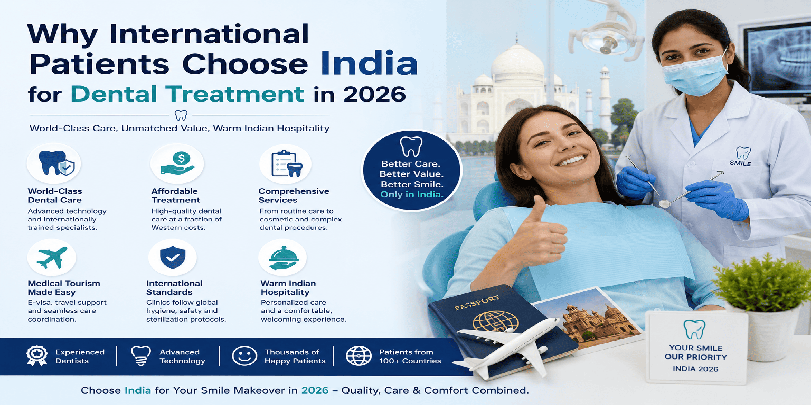 Why International Patients Choose India for Dental Treatment in 2026
 Dial Local Number in your Country
USA 
Australia 
Canada 
Fill in your details and we'll call you within 2 hours to confirm.